About Visible Spectrophotometer
Visible Spectrophotometer
The SP-800 series single beam visible spectrophotometers are an affordable, easy-to use, and reliable general purpose instrument designed for laboratories and educational needs. The SP-800 series visible beam spectrophotometer comes with 2 models. The SP-830+ standalone model measures the traditional absorbance, transmittance and concentration. And the PC enabled SP-880 with enhance measurement features such as spectrum scan, time scan, kinetic, and quantitative. Both models also come with a versatile sample compartment to hold cuvettes, and tubes, of all sizes. The SP-800 series visible spectrophotometers are a compact, low-cost instrument with all the essentials for teaching and routine laboratory use.
High-Precision Light MeasurementDesigned with a tungsten halogen lamp and silicon photodiode detector, this spectrophotometer ensures reliable detection of visible light from 320 to 1000 nm. The instrument offers a spectral bandwidth of 4 nm and stable performance, with baseline flatness of 0.004 A and stray light 0.5% T at 360 nm, guaranteeing dependable and reproducible results consistently in laboratory environments.
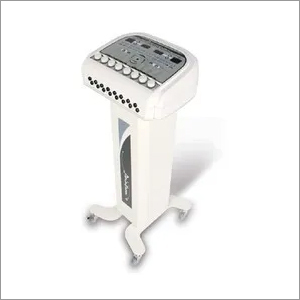
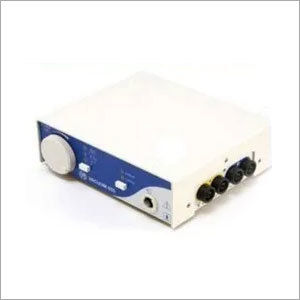
User-Friendly & Durable ConstructionBuilt for everyday laboratory use, the spectrophotometer features a durable ABS plastic and metal body, colored white and blue, with a compact rectangular shape. Weighing 8 kg and easily fit on benchtops, the user experience is enhanced further by a digital LCD display, semi-automatic functionality, and simple controls for measurements and data handling.
Versatile Laboratory ApplicationIdeal for chemical, pharmaceutical, clinical, and food testing labs, the device performs qualitative and quantitative analyses for various samples. Its 4-position manual sample holder accommodates standard 10 mm cuvettes, and it supports data storage of up to 100 results. Its reliable light measurement aids in research, quality control, and product development processes.
FAQs of Visible Spectrophotometer:
Q: How does the visible spectrophotometer enhance laboratory analyses?
A: By measuring the absorbance or transmittance of visible light across 3201000 nm, the spectrophotometer enables detailed qualitative and quantitative analyses of samples, supporting accuracy and repeatability in diverse laboratory applications including chemistry, pharmaceuticals, and food testing.
Q: What are the primary benefits of using this spectrophotometer model?
A: This spectrophotometer offers high sensitivity, stable output, improved optical systems, and consistent accuracy, ensuring reliable analysis. The storage of up to 100 data sets streamlines the workflow, while a digital LCD display facilitates easy viewing and interpretation of results.
Q: When should I use the spectrophotometer for optimal results?
A: For best performance, operate the spectrophotometer within a laboratory environment where the temperature ranges from 10C to 45C and humidity is less than 80% RH. Use it for routine quality control, research, or educational purposes during standard laboratory hours.
Q: Where can this visible spectrophotometer be installed?
A: The instrument is designed for use in various laboratoriesincluding chemical, pharmaceutical, clinical, and food testing labs. Its compact size and robust build make it ideal for benchtop installation in research facilities, quality assurance labs, and academic institutions.
Q: How is the measurement process carried out using this spectrophotometer?
A: Samples are placed into standard 10 mm cuvettes and loaded into the 4-position manual holder. The user then selects the desired measurement mode and wavelength through the digital controls. The unit measures absorbance or transmittance, and results are displayed digitally and can be stored for future reference.
Q: What makes this model suitable for diverse laboratory settings?
A: With its stable optical system, easy-to-use interface, and robust materials, the spectrophotometer withstands regular use. Its performance specifications meet the demands of industries like chemical and pharmaceutical manufacturing, as well as clinical testing and education.